Ustawianie trybu czuwania w Windows 7: uśpienie i hibernacja krok po kroku
Ta opcja została zaprojektowana dla komputerów przenośnych i może nie być dostępna na wszystkich komputerach.
Poza czuwaniem systemu w praktyce najczęściej chodzi o Uśpienie (sleep) lub Hibernację (hibernate) - aby komputer po bezczynności zużywał mniej energii i szybko wracał do pracy.
Różnica: uśpienie vs hibernacja (co daje tryb czuwania)
Tryb uśpienia zużywa niewiele energii, komputer uruchamia się szybciej i natychmiast wracasz do miejsca, w którym przerwano.
Nie trzeba się także martwić utratą wyników pracy z powodu wyczerpania baterii, ponieważ system Windows automatycznie zapisuje wyniki pracy i wyłącza komputer, jeśli poziom naładowania baterii jest zbyt niski.
Hibernacja uses less power than sleep and when you start up the PC again, you're back to where you left off (though not as fast as sleep).
Use hibernation when you know that you won't use your laptop or tablet for an extended period and won't have an opportunity to charge the battery during that time.
Sleep simply stores your systems current state in memory and “shuts-down”. This requires power at all times in order to keep the system state active in the computer’s memory.
If you lose power (e.g. your battery runs out) - you will lose any work that you left open when you put the system to sleep.
Another alternative is to hibernate.
If you want to save where you are in Windows, Hibernate allows you to do that and save energy.
Ustawianie akcji trybu czuwania w Windows 7 (co ma się dziać po zamknięciu pokrywy i przycisku zasilania)
W przypadku laptopa rozwiń listę po zamknięciu pokrywy w kolumnie Przy baterii i wybierz pozycję Uśpij.
W przypadku komputera stacjonarnego, tabletu lub laptopa rozwiń listę pozycji Po naciśnięciu przycisku zasilania w kolumnie Przy baterii i wybierz pozycję Uśpij.
W przypadku większości komputerów pracę można wznowić przez naciśnięcie przycisku zasilania.
Jednak nie wszystkie komputery są takie same.
Pracę można też wznowić przez naciśnięcie dowolnego klawisza na klawiaturze, kliknięcie przyciskiem myszy lub otwarcie pokrywy komputera przenośnego.
Ta opcja została zaprojektowana dla komputerów przenośnych i może nie być dostępna na wszystkich komputerach.
(Na przykład komputery z funkcją InstantGo nie mają opcji hibernacji).
Kiedy wybierać hibernację zamiast uśpienia
Hibernację stosuj wtedy, gdy wiesz, że nie będziesz korzystać z komputera przenośnego lub tabletu przez dłuższy czas i nie będziesz mieć możliwości naładowania baterii w tym czasie.
Najpierw sprawdź, czy ta opcja jest dostępna na Twoim komputerze.
Ustawianie opcji uśpienia/hibernacji w systemie: polecenia i dostępność funkcji
By default you have the two following options available, full shut-down and sleep.
A full shut-down is just that - it shuts your system down fully, does not require any power and takes the most amount of time to reboot afterwards.
A full shut-down is just that - it shuts your system down fully, does not require any power and takes the most amount of time to reboot afterwards.
On the next screen, expand the Sleep node and the Allow wake timers node under it.
Depending on whether your computer has a battery or not, at least 2 variations are possible.
Open Command Prompt with Administrator rights.
Włączenie ukrytej hibernacji w Windows 7 (Hibernate option)
Windows 7 doesn’t have a Hibernate option out of the box, as you might have noticed.
However, you can bring it out of hiding and make it an option for you when powering down your PC.
It takes a few more steps compared to enabling Hibernate mode in Windows 8, but it can be done.
Poniżej przedstawiono sposób: najpierw uruchom ustawienia z wyszukiwarki.
Krok po kroku: włączenie hibernacji w Windows 7
- First click Start and Type: power options in the search box and hit Enter.
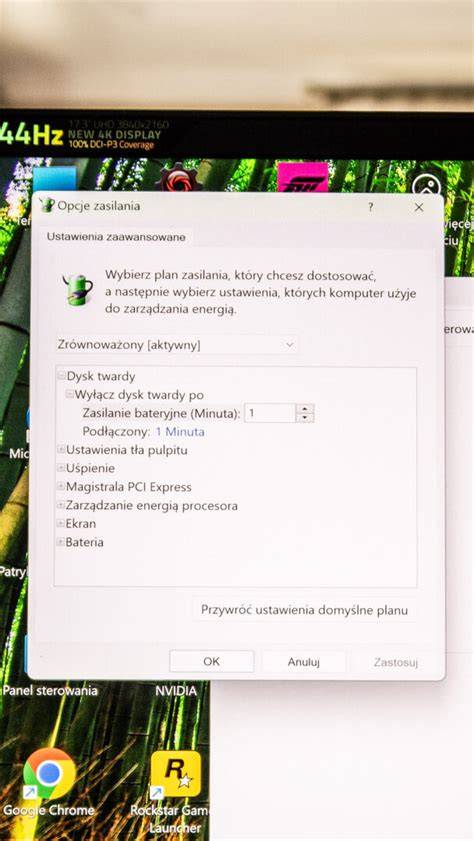
- Next in the right-hand pane select Change when the computer sleeps and then click Change advanced power settings.
- In the Power Options window, expand Allow hybrid sleep and switch it to Off and click OK.
- Now you’ll have your Hibernate option listed on the power button.
After enabling Hibernate, it will also show up in other locations, for example when you use the keyboard shortcut Alt + F4 to get the Shut Down Windows options.
This adds the Hibernate feature and doesn’t replace anything, so you’ll still have the Restart, Log off, and Sleep options too.
Uruchamianie i zachowanie po uśpieniu/hibernacji: co może pójść nie tak
If you want to enable wake timers in Windows so that you could use Anuko World Clock alarms even when your computer sleeps or hibernates.
In Windows 7 it is possible to configure the operating system in a way that prohibits programs to wake it from sleep or hibernation.
What does it mean for World Clock users?
After some period of inactivity, which is set up in Control Panel - Power Options, your computer may go to sleep.
If programs are not allowed to wake up your system they will simply not operate.
If devices connected to the computer (such as monitors, printers and scanners) do not work properly after coming out of sleep or hibernation, it may be necessary to disconnect and reconnect the device or restart the computer.
Uwaga o timerach wybudzania w nowszych wersjach (dla porównania działania)
This is a special note explaining some strange behavior of wake timers on Windows 8.1 and Windows 10, as observed on November 15, 2015.
Long story short, disabling wake timers does not seem to work properly on these systems.
With the above settings, the expected result is that the system will not wake up automatically after going into sleep mode.
On Windows 7, it works as expected.
But Windows 8.1 and 10 do wake up, which looks like a system bug to me, but perhaps I am missing something.
Dodatkowe ustawienia trybu zasilania: zamknięcie pokrywy i przycisk zasilania
By default you have the two following options available, full shut-down and sleep.
Hibernation allows you to do that and save energy.
Open Command Prompt with Administrator rights.
Another alternative is to hibernate.
Jak szybko uzyskać dostęp do opcji wyłączania po włączeniu hibernacji
After enabling Hibernate, it will also show up in other locations, for example when you use the keyboard shortcut Alt + F4 to get the Shut Down Windows options.
This adds the Hibernate feature and doesn’t replace anything, so you’ll still have the Restart, Log off, and Sleep options too.
W razie potrzeby możesz też korzystać z opcji w obszarze wyłączania systemu poprzez panel sterowania z ustawieniami zasilania.

Tryb uśpienia to szybki powrót do pracy, a hibernacja to mniejsze zużycie energii przy dłuższym braku zasilania z baterii.
| Scenariusz | Rekomendowany tryb | Dlaczego |
|---|---|---|
| Działasz na laptopie/tablecie krótko przerwana praca | Uśpij | Tryb uśpienia zużywa niewiele energii, komputer uruchamia się szybciej i natychmiast wracasz do miejsca, w którym przerwano. |
| Dłuższa przerwa bez możliwości ładowania | Hibernuj | Hibernate uses less power than sleep i po powrocie wracasz do miejsca, w którym przerwano. |
| Brak energii / ryzyko wyczerpania | Hibernuj (często lepiej niż sleep) | Sleep wymaga zasilania do podtrzymania stanu w pamięci; if you lose power - you will lose any work... |
| Włączanie hibernacji w Windows 7 | Wymaga wyłączenia „Allow hybrid sleep” | Switch it to Off i po tym pojawi się Hibernate option listed on the power button. |
Jak utworzyć skrót do Hibernacji na Pulpicie? (Windows 7)
Jeśli po wybudzeniu problematyczne działanie urządzeń peryferyjnych utrzymuje się, w razie potrzeby odłącz i ponownie podłącz urządzenie albo uruchom komputer ponownie.
Warto dopasować ustawienia w kolumnie Przy baterii dla laptopa (po zamknięciu pokrywy) oraz dla przycisku zasilania, wybierając odpowiednie działanie: Uśpij.
tags: #win #7 #ustawianie #trybu #czuwania
Popularne posty:
- Migracja z Windows 7 Enterprise do Windows 10 — przewodnik po procesie
- Jak uruchomić własny skrypt przy starcie w Debian Live (rc.local, prawa roota)
- Jak ponownie zainstalować Windows 10 na komputerze: przewodnik
- Najlepsze aplikacje do tworzenia filmów w Windows 10: Clipchamp, Zdjęcia i CapCut
- Tworzenie sieci WiFi w Windows 10 i Windows 7 — przewodnik

Tomasz Sanecki administrator
Informatyk z zawodu i zamiłowania. Od 2007r właściciel firmy Perfect Systems. Specjalista do spraw bezpieczeństwa IT, serwisu urządzeń elektronicznych, sieci komputerowych. Prywatnie mąż i ojciec dwójki dzieci. Pasjonat nowoczesnych technologii, motocykli oraz włoskiego espresso.
About the author